Anki Card Generation & Styling Showcase
Comprehensive testing page for Anki card generation, HTML styling, and CSS components. Demonstrates the automatic styling system and various card types with visual examples.
Anki Card Generation & Styling Showcase
This page demonstrates the Anki card generation system with automatic CSS styling. All cards shown here represent how they will appear in Anki Desktop after APKG generation.
💡 About Styling:
CSS styling is automatically injected based on the course field in JSON metadata. No manual configuration needed!
Psychology cards use psychology.css automatically.
Overview of Styling System
How It Works
JSON Metadata specifies course name:
1{"metadata": {"course": "Psychology", ...}}Generator loads CSS automatically:
- Reads
scripts/anki/styles/psychology.css - Injects into all card models
- Reads
HTML in Cards uses CSS classes:
- Use any CSS class from the stylesheet
- Styling works immediately in Anki Desktop
Available CSS Components
The following components are available in Psychology course cards:
.skill-card- Skills list with colored border.comparison-box- Side-by-side comparisons.definition-card- Highlighted definitions.emphasis-text- Important emphasized text.application-guide- Practical implementation guidance (NEW).success-box,.warning-box,.info-box- Status indicators
🆕 Latest Addition: .application-guide - Purple gradient theme for “How X is applied in practice” questions. Includes structured sections: guide-header, guide-principle, and application-points.
Live Component Preview
If you see colored borders and backgrounds below, CSS is working correctly:
✅ Skill Card Component
Blue left border with light blue background
- Organized skills list
- Clear visual hierarchy
- Professional appearance
✅ Left Side
Green theme
Used for contrasts
✅ Right Side
Blue theme
Side-by-side display
- Stage 1: Structured guidance sections
- Stage 2: Visual distinction from other components
- Stage 3: Ideal for "How X is applied" questions
Use for practical application and implementation guidance
🔍 Styling Check:
The boxes above should show colored borders and backgrounds. The CSS is scoped to .anki-card-preview only and won’t affect the rest of your site.
Test 1: All cards from sample file
Plain text cards without HTML formatting:
CSS Styling Examples - Reference
Psychology • Module 01
Nine Core Counselling Skills
- Empathy - Understanding from client's perspective
- Active Listening - Full attention and comprehension
- Questioning - Open-ended exploration
- Paraphrasing - Restating for clarity
- Reflecting - Mirroring feelings
- Summarising - Key points overview
- Challenging - Addressing inconsistencies
- Unconditional Positive Regard - Non-judgmental acceptance
- Genuineness - Authentic presence
Empathy
Definition: Understanding from the client's perspective
Focus: Client's experience and feelings
Response: "It sounds like you're feeling..."
Maintains: Professional boundaries
Sympathy
Definition: Feeling sorry for the client
Focus: Counsellor's personal reaction
Response: "I know exactly how you feel"
Risk: Blurred boundaries
Active Listening is a communication technique where the counsellor:
- Fully concentrates on the speaker's message
- Demonstrates engagement through verbal and non-verbal cues
- Responds appropriately to show understanding
- Remembers key information for later reference
Key principle: Listening to understand, not to respond.
Effective empathetic responses include:
- Reflecting feelings: "What seems to be happening is..."
- Validating understanding: "It sounds like this situation makes you feel..."
- Seeking clarification: "Could you give me an example of when...?"
- Confirming accuracy: "Have I understood correctly that...?"
Step 1: Create Safety
Establish a non-judgmental, confidential environment
Step 2: Build Trust
Demonstrate consistency, empathy, and genuine care
Step 3: Active Engagement
Use core skills to show understanding and support
Step 4: Maintain Boundaries
Keep professional limits while showing compassion
Common barriers include:
- Internal barriers: Fatigue, stress, preoccupation, personal biases, emotional reactions
- External barriers: Noise, interruptions, uncomfortable environment, poor acoustics
- Behavioral barriers: Planning responses while listening, interrupting, making assumptions, judging the speaker
- Stage 1: Essential at the beginning but may be revisited as new issues emerge
- Stage 2: Helps clients move from problem focus to solution focus
- Stage 3: Ensures that insights translate into real-world action
The model provides a flexible framework rather than a rigid sequence, with counsellors adapting to the client's changing needs throughout the process.
Test 1: All cards from 02-rogers-and-egan.json
Plain text cards without HTML formatting:
Carl Rogers Theory and Gerard Egan Model
Psychology • Module 01
Rogers' Three Core Conditions
- Unconditional Positive Regard - Accepting and valuing the client without judgment or conditions
- Genuineness (Congruence) - Being real, open, and authentic with the client
- Empathetic Understanding - Deeply understanding the client's experience from their point of view
These conditions create a safe environment for therapeutic growth and self-actualization.
Stage 1: Getting the Story (Current Scenario)
Exploration and understanding where the client is now - encouraging story-telling, breaking through blind spots, identifying the right problem
Stage 2: Development of Possibilities (Preferred Scenario)
Envisioning where the client wants to be - using imagination, choosing realistic goals, finding incentives
Stage 3: Strategies for Change (Action Implementation)
Determining how to achieve goals - finding possible actions, best-fit strategies, drafting action plans
Unconditional Positive Regard means accepting and valuing the client without judgment or conditions.
Key aspects:
- Complete support and acceptance regardless of what the client says, feels, or does
- Valuing the person as a human being, not based on their actions
- Positive regard is not withdrawn if mistakes are made
- Creates a safe space for open and honest self-expression
- Parents, significant others, and counsellors accept and love the person for what they are
Congruent (Aligned)
Inner feelings match outer expression
- Self-image matches actual experience
- Ideal self matches real self
- No facade or pretense
Result: High self-worth, authenticity, psychological health
Incongruent (Misaligned)
Inner and outer selves conflict
- Feeling sad but saying "I'm fine"
- Values creativity but stifling work
- Gap between authentic and presented self
Result: Anxiety, low self-worth, tension
Like mathematical congruence (shapes matching perfectly), psychological congruence means no gap between your inner self and outer expression.
SOLER: Non-Verbal Listening Technique
- S - Sit SQUARELY on to the client (preferably at a 5 o'clock position)
- O - Maintain an OPEN posture (don't cross arms or legs)
- L - LEAN slightly towards the client
- E - Maintain EYE CONTACT without staring
- R - RELAX to help the client relax
SOLER is a non-verbal listening process used as an integral part of active listening.
Rogers and Egan create a comprehensive counselling approach:
- Rogers' Core Conditions provide the foundational therapeutic attitude - unconditional positive regard, genuineness, and empathy create the safe, accepting environment
- Egan's Three Stage Model provides the structural framework for guiding the helping process - practical methodology for moving from exploration to action
- Integration: Together they combine humanistic relationship-building with practical problem-solving, creating both emotionally supportive and action-oriented counselling
Empathetic Understanding involves deeply understanding the client's experience and feelings from their point of view.
Key characteristics:
- Emotionally connecting with the client's experiences, not just intellectually understanding
- Reflecting understanding back to the client
- Helping clients feel heard and validated
- Different from sympathy - it's about understanding, not feeling sorry for someone
- Understanding the client's internal frame of reference
Stage 1: Getting the Story (Current Scenario)
Purpose: Create a safe environment where clients feel comfortable sharing their experiences and concerns.
The core conditions should be present throughout the entire counselling relationship:
The core conditions are not stage-specific - they are continuous throughout therapy.
- Stage 1: Essential at the beginning but may be revisited as new issues emerge
- Stage 2: Helps clients move from problem focus to solution focus
- Stage 3: Ensures that insights translate into real-world action
The model provides a flexible framework rather than a rigid sequence, with counsellors adapting to the client's changing needs throughout the process.
Rogers and Egan - Complementary Approaches
Rogers' Contribution
Emphasized the therapeutic relationship and three core conditions:
- Unconditional Positive Regard
- Genuineness (Congruence)
- Empathy
Foundation for therapeutic change
Egan's Contribution
Added structured methodology with three stages:
- Exploration (Tell story)
- Understanding (Find meaning)
- Action (Plan steps)
Practical framework for helping
Together they provide both the relational foundation and practical framework for effective counselling.
Understanding Congruence
Psychological congruence means alignment at three levels:
- Self-image matches actual experience - Seeing yourself accurately
- Ideal self matches real self - Goals align with reality
- Inner feelings match outer expression - Authenticity in behavior
✓ Result of Congruence
High self-worth, authenticity, and inner peace
⚠ Result of Incongruence
Anxiety, tension, and low self-worth from misalignment
The closer our self-image and ideal self align, the more congruent (and healthier) we become.
Congruent (Aligned) Examples:
- Feeling angry inside → Expressing anger appropriately
- Valuing honesty → Acting honestly in all situations
- Believing in compassion → Demonstrating compassionate behavior
- Result: High self-worth, authenticity, psychological health
Incongruent (Misaligned) Examples:
- Feeling sad inside → Forcing a smile and saying "I'm fine"
- Valuing creativity → Working in a job that stifles creativity
- Seeing oneself as kind → Acting harshly toward others
- Result: Anxiety, tension, low self-worth, inauthenticity
Test 2: HTML Formatted Cards
Cards using HTML tags for better presentation:
Counselling Skills
Psychology • Module 01
Nine Core Counselling Skills
- Empathy - Understanding from client's perspective
- Active Listening - Full attention and comprehension
- Questioning - Open-ended exploration
- Paraphrasing - Restating for clarity
- Reflecting - Mirroring feelings
- Summarising - Key points overview
- Challenging - Addressing inconsistencies
- Unconditional Positive Regard - Non-judgmental acceptance
- Genuineness - Authentic presence
Empathy
Definition: Understanding another person's experience by perceiving situations from their perspective
Focus: Client's actual feelings and experience
Response: "It sounds like you're feeling..."
Maintains: Professional boundaries
Sympathy
Definition: Caring about and feeling sorry for someone's troubles
Focus: Counsellor's personal emotional response
Response: "I know exactly how you feel"
Risk: Blurred professional boundaries
Empathetic Understanding is the ability to understand another person's experience by perceiving situations from their perspective.
It involves:
- Demonstrating sensitivity and accuracy in understanding client feelings
- Maintaining professional boundaries
- Viewing situations through the client's eyes rather than imposing personal reactions
- Focusing on the client's actual experience, not the counsellor's potential reactions
Effective empathetic responses include:
- Reflecting feelings: "What seems to be happening is..."
- Validating understanding: "It sounds like this situation makes you feel..."
- Seeking clarification: "Could you give me an example of when these feelings occurred?"
- Confirming accuracy: "Have I understood this correctly?"
These responses demonstrate active listening, build trust, and strengthen the helping relationship.
Critical Distinction:
Empathy maintains professional boundaries while demonstrating understanding, whereas sympathy can blur boundaries by centering the counsellor's personal emotional response rather than the client's experience.
✅ Empathy strengthens: The helping relationship and builds trust through genuine understanding
⚠️ Sympathy risks: Undermining professional efficacy by making the interaction about the counsellor's feelings
Active Listening is a communication technique where the counsellor:
- Fully concentrates on the speaker's message
- Demonstrates engagement through verbal and non-verbal cues
- Responds appropriately to show understanding
- Remembers key information for later reference
Key principle: Listening to understand, not to respond.
- Attending Behaviors: Body language, eye contact, focused presence that shows engagement
- Listening Techniques: Active listening, full attention, and deep comprehension of meaning
- Response Patterns: Reflecting feelings, validating understanding, seeking clarification
- Continuous Adaptation: Recognizing when sympathy emerges and shifting toward empathetic practice
These integrated behaviors create a foundation for the therapeutic relationship.
⚠️ Sympathy Example: "I know exactly how you feel"
Why this demonstrates sympathy:
- The emphasis remains on the counsellor's personal understanding
- Centers the counsellor's experience rather than the client's unique perspective
- Blurs professional boundaries
- May make the client feel their experience is not unique or fully understood
✅ Empathetic Alternative: "It sounds like you're experiencing [specific feeling] because [specific situation]"
Sympathy (Less Effective)
Approach: Feeling pity by imagining personal reactions to loss
Focus: Shares the client's feelings from personal perspective
Example: "I can't imagine how hard this must be - I'd be devastated"
Problem: Centers counsellor's potential feelings
Empathy (More Effective)
Approach: Viewing the situation through the client's eyes
Focus: Client's actual feelings and experience
Example: "It sounds like you're experiencing profound sadness and confusion about this loss"
Benefit: Validates client's unique experience
- Communication Enhancement: Improving interpersonal communication in professional and personal contexts
- Problem-Solving Support: Helping others work through challenges systematically
- Personal Growth Facilitation: Supporting development in diverse settings
- Professional Contexts: Teaching, healthcare, management, social work
The intentional application differs from casual conversation, requiring conscious awareness of which skills to employ, when to apply them, and how to maintain appropriate boundaries.
Foundation of Counselling Practice
The nine core skills enable counsellors to:
- Establish trust with clients through consistent, respectful interaction
- Demonstrate understanding of client experiences and perspectives
- Facilitate meaningful exploration of concerns and issues
- Maintain professional boundaries and ethical practice standards
Together, these skills create a solid foundation for effective therapeutic work.
Empathy vs Sympathy - Key Distinction
Empathy maintains professional boundaries by focusing on understanding the client's perspective - stepping into their shoes while remaining separate.
Sympathy can blur boundaries by centering on the counsellor's personal emotional response - feeling sorry "for" rather than understanding "with" the client.
This distinction is crucial for effective therapeutic work and maintaining professionalism.
✅ HTML Benefits:
Better visual hierarchy
Clearer content organization
Professional appearance
Improved readability
Test 3: CSS Component Examples
Example 1: Skill Card Component
Cards can use the .skill-card class for listing skills or key points:
1<div class="skill-card">
2  <h4>Nine Core Counselling Skills</h4>
3  <ul>
4    <li>Empathy</li>
5    <li>Active Listening</li>
6    <li>Questioning</li>
7  </ul>
8</div>
Result: Blue left border, light blue background, organized list presentation.
Example 2: Comparison Box
Use .comparison-box for side-by-side comparisons:
 1<div class="comparison-box">
 2  <div class="comparison-item">
 3    <h4>Empathy</h4>
 4    <p>Understanding from their perspective</p>
 5  </div>
 6  <div class="comparison-item">
 7    <h4>Sympathy</h4>
 8    <p>Feeling sorry for someone</p>
 9  </div>
10</div>
Result: Two columns with contrasting backgrounds (blue vs. orange).
Example 3: Definition Card
Use .definition-card for highlighted definitions:
1<div class="definition-card">
2  <strong>Active Listening:</strong> A technique where the listener fully concentrates on understanding.
3</div>
Result: Gradient background with colored left border.
Test 4: Advanced Card Types
Cloze Deletion Cards
Interactive fill-in-the-blank for active recall:
{{c1::Active listening}} is a communication technique where the listener {{c2::fully concentrates}} on, understands, responds to, and {{c3::remembers}} what is being said.
Additional Context
Click [...] buttons to reveal answers. Cloze deletion uses spaced repetition for active recall.
Progressive Hints Cards
Multi-level hints for guided learning:
What are the main barriers to active listening? {hint1::Think about what prevents us from concentrating} {hint2::Consider both internal and external distractions} {hint3::Examples: phones, stress, preoccupation, interrupting}
Answer:
Main barriers include: (1) Internal barriers: fatigue, stress, preoccupation, prejudice, (2) External barriers: noise, interruptions, poor environment, (3) Behavioral barriers: planning responses while listening, interrupting, dismissing the speaker.
Test 5: Media Support
Image Cards
Visual content in flashcards:
What is the therapeutic relationship in counselling?
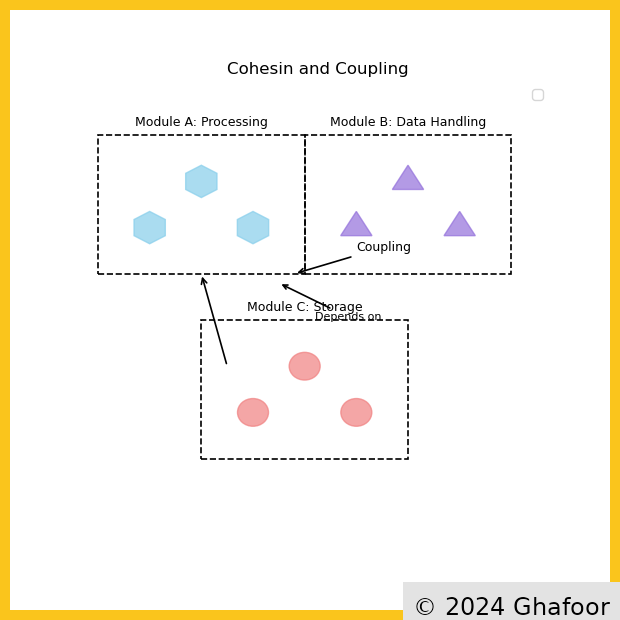
Core elements of therapeutic relationship dynamics
Answer:
The therapeutic relationship is the connection between counsellor and client based on mutual trust, respect, and genuine care. It's the foundation of effective counselling and includes elements of empathy, authenticity, unconditional positive regard, and congruence. The quality of this relationship significantly impacts therapeutic outcomes.
Audio Cards
Embedded audio playback:
Listen to the expert interview about counselling dynamics. What key concept is emphasized?
Expert interview on counselling dynamics
Answer:
The recording emphasizes the importance of understanding client worldview and meeting them where they are emotionally. Key points include: active presence in the room, genuine interest in the client's perspective, flexibility in approach based on client needs, and the ongoing process of building trust and rapport throughout the therapeutic relationship.
Test 6: Deck Statistics
View flashcard statistics for a lesson:
📊 Deck Statistics
Difficulty Distribution
Test 7: Download Options
CSV Export (Legacy)
📥 Download Flashcards
How to Import into Anki:
- Download the CSV file using the button above
- Open Anki Desktop
- Click File → Import
- Select the downloaded CSV file
- Configure import settings:
- Field separator: Tab
- Allow HTML in fields: checked
- Deck: Create new or select existing
- Click Import
- Sync to AnkiWeb if using AnkiDroid
Available on:
APKG Package (Recommended)
Download Anki Package File (.apkg) - Ready to import directly into Anki Desktop!
Download Anki Package File (.apkg) - Ready to import directly into Anki Desktop!
📦 APKG Format:
File: Module-01-Psychology-Counselling-Unit-01.apkg
Size: 177 KB
Cards: 162 flashcards (13 lessons × 12-13 cards each)
Styling: Psychology CSS automatically included
Download: Download APKG Unit 1
Import Instructions
- Download the .apkg file using the link above
- Open Anki Desktop Application
- Go to
File → Import - Select the downloaded .apkg file
- Click Import
- New deck will appear:
Psychology::Level-2-Counselling::Unit-01
✅ After Import:
All cards include styled HTML
CSS styling applies automatically
Deck hierarchy preserved
Media files (if any) included
Styling Verification Checklist
When you import the APKG file into Anki Desktop, verify:
✅ Visual Styling
- Cards have colored left borders
- Background colors appear correctly
- Text formatting (bold, italic) works
- Lists are properly indented
- Comparison boxes show side-by-side
✅ Functionality
- Cloze deletions reveal correctly
- Hints appear when clicked
- Images display properly
- Audio plays correctly
- Difficulty levels visible
✅ Organization
- Deck hierarchy shows correctly
- Lesson sub-decks appear
- Card counts accurate
- Tags applied correctly
Technical Notes
CSS Injection Process
- JSON metadata includes:
"course": "Psychology" - Generator reads:
scripts/anki/styles/psychology.css - CSS injected into card models automatically
- No manual configuration needed
HTML Support
- Always Enabled: HTML works in all card fields
- No Flag Needed:
html_enabledfield is for documentation only - Use Freely: Add HTML tags directly in JSON
Compilation
If you modify SCSS styles:
1# Compile all styles
2npm run anki:styles:compile
3
4# Regenerate APKG
5npm run anki:rebuild
Additional Resources
- Documentation: Anki Docs - Complete workflow guide
- Styling Guide: Styling System - CSS components
- JSON Guide: JSON Creation - Card format
Last Updated: 2 May 2026
Status: Production Ready ✅
Styling: Automatic CSS Injection ✅